
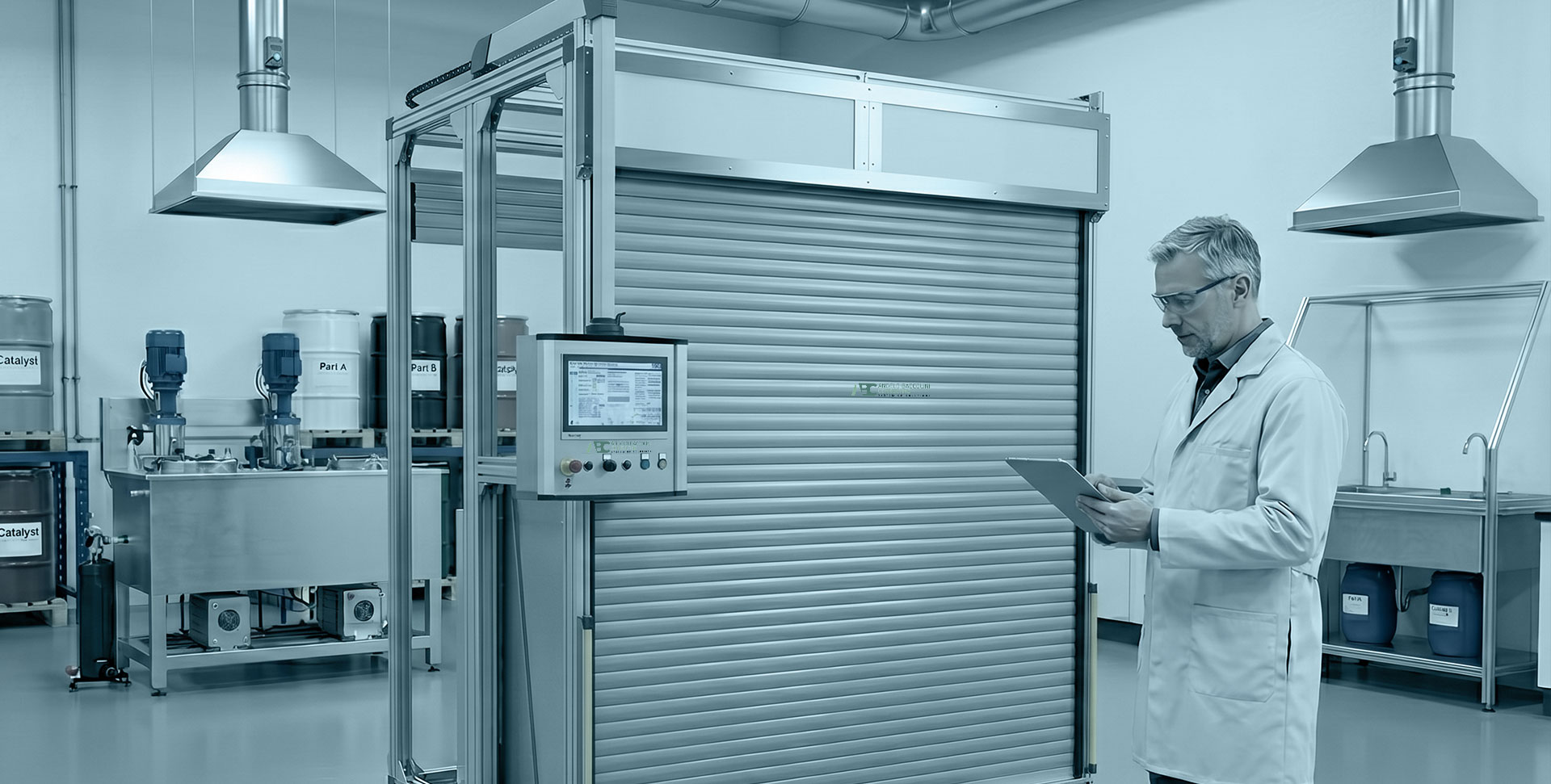
Nel settore del dosaggio industriale, non esiste una soluzione universale. La scelta dell’impianto corretto non influisce solo sulla precisione dell’erogazione, ma determina l’efficienza dell’intero ciclo produttivo, la riduzione degli scarti e i costi di manutenzione a lungo termine.
Questa guida analizza i 5 pilastri fondamentali per identificare la tecnologia più adatta alle tue necessità produttive.
In industrial resin dosing, there is no one-size-fits-all solution. Selecting the right dosing system affects far more than dispensing accuracy: it directly impacts production efficiency, material waste, long-term maintenance costs and overall return on investment.
This guide outlines the five key factors to consider when choosing the resin dosing technology best suited to your production requirements.
The first decision depends on the type of material you need to process.
Single-component dosing systems are ideal for ready-to-use materials, such as certain UV resins and sealants. Their simple design reduces operating costs while still requiring precise control of dispensing pressure and flow rate;
Two-component or multi-component dosing systems are essential whenever the resin must be mixed with a catalyst or hardener. In these applications, maintaining an accurate mixing ratio is critical. A professional dosing system must ensure that the resin base and hardener are continuously mixed in the exact proportions required to prevent curing defects that could compromise the entire production batch.
Material viscosity typically measured in mPa·s or cP (centipoise) determines the most suitable pumping technology.
Technical note: When resins contain abrasive fillers, reinforced components are essential to prevent premature wear of pumps, valves and transfer circuits.
Many industrial resins undergo significant viscosity changes as temperature fluctuates.
An advanced resin dosing system should include:
In many manufacturing environments, precise temperature management is the key to achieving consistent, repeatable dosing throughout seasonal temperature variations.
How much material needs to be dispensed during each production cycle?
Precision micro-dosing requires extremely accurate dispensing heads capable of delivering repeatable micro-volumes;
High-volume dispensing, including casting, filling and continuous bead application, requires higher flow rates together with large-capacity storage tanks equipped with level sensors to eliminate production interruptions;
Defining your target dispensing volume from the outset allows pumps and system components to be correctly sized, avoiding unnecessary investment in oversized equipment or inefficiencies caused by undersized systems.
The final consideration is how the dosing system integrates with your production workflow;
Manual workstations are ideal for small production batches, prototypes and laboratory applications where operators control the dispensing process directly;
Semi-automatic systems electronically control dosing parameters—such as time, pressure or volume—while operators manually position the workpiece.
Fully automated robotic integration (Industry 4.0) connects the resin dosing system with industrial robots, CNC machines or automated production lines. This solution maximises productivity, minimises material waste and enables complete traceability of production data.
Selecting the right resin dosing system requires multidisciplinary engineering expertise. Before recommending any solution, AB Consulting analyses your materials, evaluates their processing characteristics and simulates your production process. This engineering approach ensures that every dosing system is specifically designed to meet your technical requirements while delivering the highest levels of efficiency, reliability and long-term performance.
CONTACT US
Speak with one of our Process Engineers for a free technical assessment and discover the resin dosing solution best suited to your production process.

